
In the shadow of the Himalayas, Nepal’s aging population faces unique healthcare challenges. With traditional family structures evolving and younger generations migrating abroad, many senior citizens find themselves navigating health decisions more independently than previous generations. Staying informed about health trends, treatment options, and preventive care has never been more crucial for our elderly community members. This guide explores practical ways for senior citizens in Nepal to access reliable health information despite technological, geographical, and socioeconomic barriers.

The Changing Landscape of Health Information in Nepal
Gone are the days when health knowledge was passed down purely through family traditions or occasional doctor visits. Today’s healthcare environment in Nepal is rapidly evolving—new hospitals emerge in urban centers, telemedicine reaches remote villages, and international medical practices blend with traditional healing approaches.
For many seniors who grew up with simpler healthcare systems, this transformation can feel overwhelming. Mrs. Sharma, a 72-year-old resident of Bhaktapur, told me recently, “When I was young, we had one doctor in our town everyone trusted. Now there are many specialists, new medicines with complicated names, and everyone has different advice.”
This sentiment echoes across Nepal’s elderly population, highlighting the need for accessible, trustworthy sources of health information tailored to their needs.
Community Radio: The Overlooked Information Powerhouse
While younger generations scroll through social media for health updates, community radio remains a lifeline for many elderly Nepalis—particularly in rural areas where internet penetration remains limited.
Stations like Radio Sagarmatha (102.4 FM) in Kathmandu and Radio Madanpokhara in Palpa regularly broadcast health programs specifically designed for senior listeners. These shows often feature local doctors discussing common age-related conditions, preventive measures, and answering listener questions in simple, non-technical language.
“I never miss the Tuesday health program,” says Ram Bahadur Tamang, 78, from Sindhupalchowk. “They speak slowly, explain things clearly, and talk about problems I actually have—not just fancy new treatments I can’t afford.”
For seniors with limited literacy or vision impairments, radio offers information without the barriers that written materials present. Many community stations broadcast in local languages and dialects, making health information more accessible than English-dominated internet resources.
The Power of Senior Citizen Groups
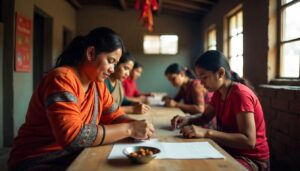
Across Nepal, formal and informal senior citizen groups have become vital hubs for health information exchange. In Pokhara, the “Jestha Nagarik Milan Kendra” (Senior Citizens Meeting Center) hosts weekly gatherings where members share health tips, discuss their experiences with different treatments, and occasionally welcome healthcare professionals for informational sessions.
These groups serve multiple purposes: they combat the isolation many seniors face, provide emotional support during health challenges, and create a judgment-free space for asking questions that might feel uncomfortable in other settings.
“Sometimes I don’t understand what my doctor tells me, but I’m too embarrassed to keep asking questions,” admits Krishna Maya Shrestha, 68, from Lalitpur. “In our seniors group, I can discuss it with friends who explain things in ways I understand. Someone always has experience with the same problem.”
The Nepal Association of the Elderly maintains a directory of registered senior groups across all provinces. Joining such a community costs little or nothing but yields immeasurable benefits for staying health-informed.
Leveraging Family Connections Creatively
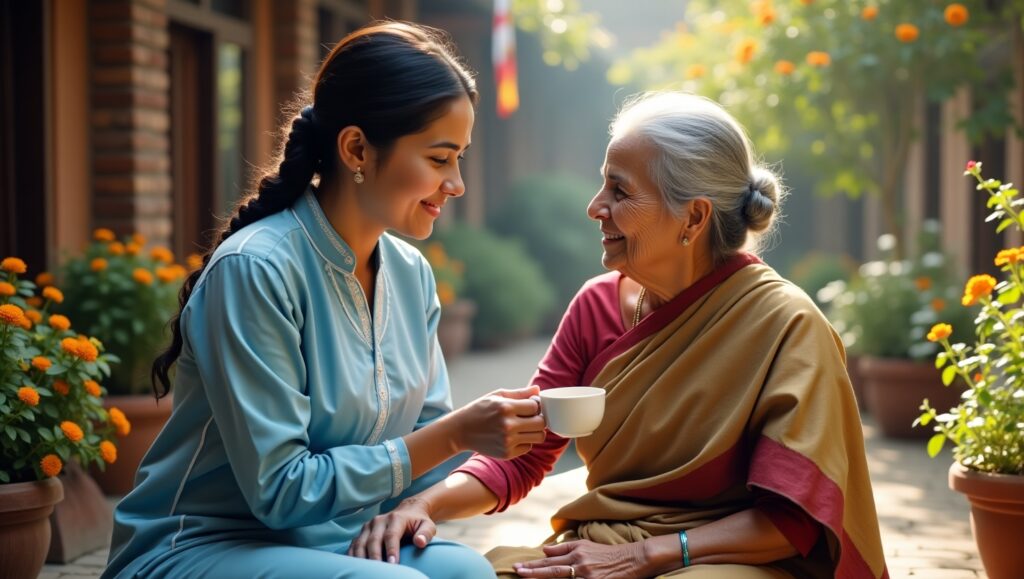
While many seniors don’t personally use smartphones or computers, most have children or grandchildren who do. This generational gap can actually become an information bridge when approached thoughtfully.
Sunil Adhikari, a community health worker in Dharan, suggests a weekly “health news update” where younger family members share relevant health information with their elderly relatives. “I encourage adult children to set aside just 15 minutes each week to summarize any health news relevant to their parents’ conditions. This creates regular dialogue about health and ensures important information reaches those who need it most.”
Some families create simple health journals where they note down key information from news sources, doctor visits, or health websites in language their elderly relatives can easily understand. These journals become valuable references between medical appointments.
For seniors whose families live abroad, scheduled video calls that include brief health updates can serve the same purpose. The key is creating consistent, manageable information flows rather than occasional information dumps that may overwhelm.
Health Camps: Information and Screening Combined
Health camps organized by hospitals, NGOs, and government agencies remain popular throughout Nepal—and with good reason. These events bring healthcare professionals directly to communities, combining free or low-cost screenings with educational sessions.
For seniors with mobility challenges or those living in remote areas, these camps may provide rare opportunities to interact directly with healthcare providers outside the stress of a formal medical setting.
“At health camps, I can ask questions I would never have time to ask during a regular hospital visit,” notes Bishnu Prasad Poudel, 75, from Syangja. “And hearing other people ask questions teaches me things I wouldn’t have thought to ask myself.”
Organizations like the Nepal Red Cross Society, Karuna Foundation Nepal, and various rotary clubs regularly organize camps with senior-focused components. Local ward offices or health posts typically announce upcoming camps, so checking community bulletin boards or asking at your nearest health facility can help you stay informed about these opportunities.
Navigating Technology: Simplified Approaches for Seniors
While digital literacy remains challenging for many Nepali seniors, simplified approaches to technology can open doors to vast health information resources.
At the Jagriti Senior Citizen Society in Biratnagar, volunteers offer basic smartphone training focused specifically on health applications. “We don’t try to teach everything at once,” explains program coordinator Anita Rai. “We focus on specific skills like using voice search to ask health questions, saving important health information as phone notes, or using WhatsApp to communicate with doctors.”
For seniors comfortable with basic smartphone operations, apps like “Hamro Doctor” provide simplified interfaces for accessing health information and telemedicine services in Nepali. The government’s “Nepal Health” app also offers official updates on health programs, disease outbreaks, and preventive measures.
Even for those who prefer to avoid technology personally, designating a tech-savvy helper—perhaps a grandchild or neighbor—to assist with occasional online research about specific health concerns can prove invaluable.
Utilizing Public Health Infrastructure
Nepal’s public health system, despite its challenges, offers underutilized resources for health education. Every ward has female community health volunteers (FCHVs) who serve as grassroots health educators. While their focus has traditionally been maternal and child health, many now carry information relevant to senior citizens as well.
“I regularly visit homes where elderly people live alone,” says Saraswati Dhungana, an FCHV from Dhading. “I explain government health schemes they might qualify for, warning signs they should watch for with common conditions, and simple preventive measures appropriate for their age.”
Health posts and primary healthcare centers often display informational posters designed for low-literacy populations. Making a habit of checking these displays during visits can provide valuable updates on seasonal health concerns, vaccination campaigns, or newly available services.
Additionally, many district hospitals have begun offering geriatric OPD services on specific days. These specialized clinics don’t just provide treatment but often include educational components tailored to elderly patients.
Print Resources Designed for Seniors
Despite the digital revolution, print materials remain crucial for many Nepali seniors. Organizations like HelpAge Nepal and the Geriatric Center Nepal periodically publish health booklets with large print, simple language, and culturally appropriate illustrations.
“Pictures help me understand when I can’t read all the words,” says Durga Kumari Thapa, 80, who keeps a collection of health pamphlets in her home in Chitwan. “My eyesight isn’t good anymore, but I can still learn from these materials.”
Local pharmacies sometimes distribute free health calendars that include seasonal health tips alongside religious festivals and important dates. These serve as daily reminders of health practices while fitting naturally into household routines.
For seniors with better reading abilities, newspapers like Kantipur and The Himalayan Times regularly publish health columns. Developing a habit of reading these sections provides ongoing health education in manageable doses.
Leveraging Religious Gatherings for Health Education
In a country where faith plays a central role in daily life, religious gatherings offer surprisingly effective venues for health information dissemination among elderly populations.
Forward-thinking religious leaders increasingly incorporate health messages into their teachings. At temples like Pashupatinath or the Boudhanath Stupa where many seniors gather daily, some organizations have begun organizing “arogya charcha” (health discussions) following regular religious activities.
“After morning prayers, we stay for 15 minutes to learn about health issues affecting our age group,” explains Indira Manandhar, 71, who visits Swayambhunath regularly. “It doesn’t feel like a burden because we’re already there, and linking health to spiritual wellbeing makes sense to us.”
Some religious institutions have established small libraries with health-focused materials or notice boards where health advisories are posted alongside religious announcements.
Building Health Literacy One Conversation at a Time
Perhaps the most sustainable approach to keeping seniors informed is building their confidence to ask questions and seek information proactively. Many elderly Nepalis hesitate to question healthcare providers due to traditional respect hierarchies or fear of appearing ignorant.
Dr. Manohar Pradhan, a geriatrician at Patan Hospital, encourages a simple technique: “I ask my elderly patients to write down one question before each appointment. Just one. This builds the habit of seeking information without feeling overwhelming.”
Similarly, pharmacists can play crucial roles in information delivery. “When elderly customers collect medications, I explain the purpose, proper usage, and potential side effects in simple terms,” says Binita Shrestha, a pharmacist in Pokhara. “Many don’t realize they can ask for this information, but they’re grateful when it’s offered.”
Embracing Nepal’s Unique Approach to Senior Health Information
As Nepal continues developing its healthcare system, the most effective information strategies for seniors will likely combine traditional wisdom with modern knowledge, community support with professional guidance, and oral traditions with new technologies.
The key is recognizing that different approaches work for different seniors. Some will embrace health apps on smartphones gifted by children working abroad. Others will continue relying on community radio and conversations at the local chautari (rest place). Many will blend multiple approaches based on their needs, abilities, and preferences.
What matters most isn’t the medium but the message—empowering Nepal’s eldest citizens with knowledge to make informed health decisions as they navigate their golden years with dignity and wellness.
For senior citizens reading this article, remember: staying informed about your health isn’t just about extending your years—it’s about adding life to those years through the power of knowledge and community connection.