
The importance of Caregiver Training in Nepal
As Nepal’s elderly population continues to grow, the demand for skilled caregivers has become increasingly critical. Proper caregiver training is not just beneficial—it’s essential for providing dignified, compassionate, and effective care for our seniors. This article explores why caregiver training is vital in the Nepalese context and how Carepii Nepal is working to address this pressing need.
The Growing Need for Elderly Care in Nepal
Nepal is experiencing a demographic shift, with projections indicating that the elderly population will double in the next two decades. Traditional family structures that once provided built-in care for aging family members are changing as younger generations migrate to urban centers or abroad for employment. This shift has created a significant gap in elderly care services across the country.
In Kathmandu and other urban centers, professional caregiving services are emerging to meet this need. However, without proper training and standardization, the quality of care varies dramatically, potentially putting vulnerable seniors at risk.
Why Professional Caregiver Training Matters
Providing care for elderly individuals requires much more than goodwill and basic assistance. It demands a comprehensive understanding of aging-related challenges, medical conditions common in seniors, and specialized techniques to promote independence while ensuring safety.
At Carepii Nepal, we’ve identified several critical reasons why professional training for caregivers is non-negotiable:
- Safety First: Trained caregivers understand how to prevent falls, properly assist with mobility, and recognize warning signs of health complications.
- Dignity-Preserving Care: Professional training emphasizes preserving the dignity and autonomy of elderly individuals while providing necessary assistance.
- Cultural Sensitivity: In Nepal’s diverse cultural landscape, caregivers must understand cultural norms and preferences specific to different communities.
- Medical Knowledge: Basic understanding of common age-related conditions helps caregivers provide better daily support and recognize when medical intervention is needed.
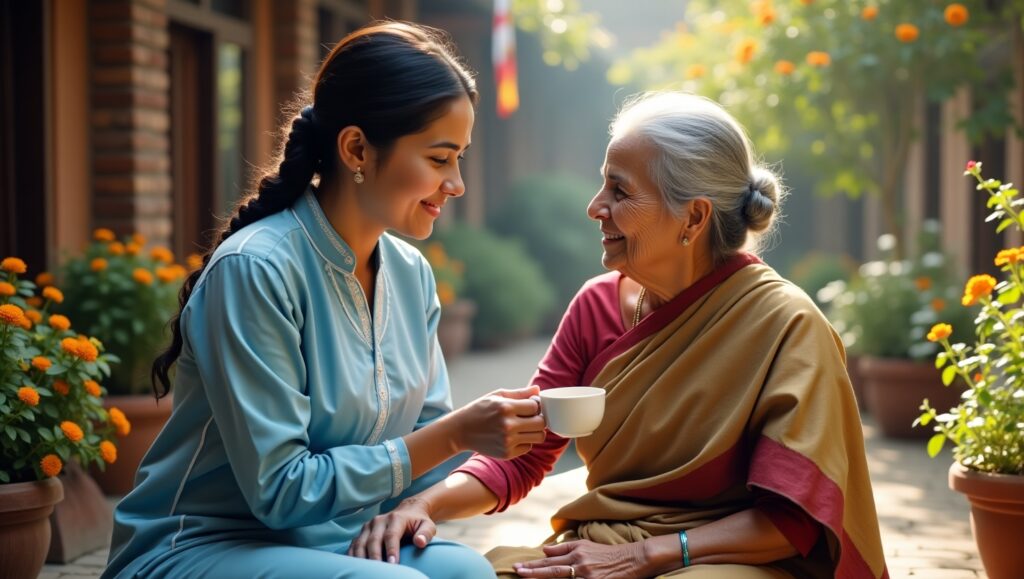
- Emotional Support: Properly trained caregivers understand the psychological aspects of aging and can provide appropriate emotional support.

Essential Skills for Caregivers in Nepal
Our caregiver training programs at Carepii Nepal focus on developing a comprehensive set of skills that ensure high-quality care for elderly individuals. These skills include:
1. Personal Care Assistance
Providing assistance with activities of daily living (ADLs) such as bathing, dressing, grooming, and toileting requires both technical knowledge and sensitivity. Our training emphasizes maintaining dignity while providing necessary support.
2. Safe Mobility and Transfer Techniques
Learning proper body mechanics for lifting, transferring, and assisting with mobility helps prevent injuries to both caregivers and care recipients. These techniques are particularly important in Nepali homes, which may not be designed with accessibility in mind.
3. Nutrition and Meal Preparation
Understanding the nutritional needs of elderly individuals and being able to prepare appropriate meals that accommodate common health conditions like diabetes, hypertension, and dysphagia is crucial for maintaining health.
4. Medication Management
While caregivers don’t prescribe medications, they often help with medication adherence. Our training includes understanding medication schedules, recognizing side effects, and proper documentation.
5. Communication Skills
Effective communication with elderly individuals, especially those with hearing impairments, cognitive challenges, or who speak regional dialects, requires specialized techniques and patience.
The Impact of Trained Caregivers in Nepali Communities
The impact of professionally trained caregivers extends beyond individual care recipients to benefit entire communities. Some notable benefits include:
- Reduced Hospitalizations: Trained caregivers can identify health concerns early, potentially preventing emergency situations.
- Family Relief: Professional caregivers allow family members to balance caregiving responsibilities with work and other obligations.
- Employment Opportunities: Caregiver training creates meaningful employment opportunities in local communities.
- Preservation of Cultural Practices: Trained caregivers can support elderly individuals in maintaining important cultural and religious practices.
How to Access Caregiver Training in Kathmandu
If you’re interested in becoming a trained caregiver or seeking qualified care for a loved one, Carepii Nepal offers several pathways:
- Certificate Programs: Comprehensive multi-week training programs covering all essential caregiving skills.
- Specialized Workshops: Focused training on specific aspects of care like dementia support or end-of-life care.
- Online Resources: Digital learning modules that can be accessed from anywhere in Nepal.
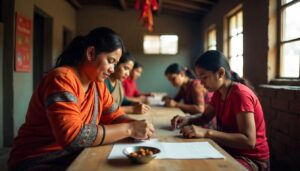
- Community Outreach: Free basic training sessions in underserved communities.
For those seeking trained caregivers, our certification database helps connect families with qualified professionals who have completed our rigorous training programs.
Conclusion
The importance of proper caregiver training in Nepal cannot be overstated. As our society continues to evolve and our elderly population grows, ensuring access to dignified, professional care becomes increasingly vital. At Carepii Nepal, we’re committed to raising the standard of eldercare through comprehensive training programs that empower caregivers with the skills and knowledge they need to provide exceptional care.
Whether you’re considering a career in caregiving or seeking support for an elderly loved one, investing in proper training is an investment in the health, safety, and dignity of Nepal’s senior citizens. Together, we can create a future where aging with dignity is accessible to all Nepalis.