
Top Benefits of Lifelong Learning for Seniors in Nepal
In Nepal’s rapidly changing society, lifelong learning for seniors in Nepal is becoming increasingly important. As traditional family structures evolve and modernization accelerates, our senior citizens face both unique challenges and meaningful opportunities. At Carepii Nepal, we believe that education has no age limit. The benefits of lifelong learning for the elderly population are powerful and transformative.
Why Lifelong Learning Matters for Nepal’s Seniors
As Nepal undergoes social transformation, many seniors find themselves navigating new family dynamics and social roles. Lifelong learning provides stability, purpose, and the skills necessary for adaptation during these transitions. With longer life expectancies, seniors now have more active years—years that can be enriched with new knowledge and skills.
Research from the Nepal Geriatric Center shows that seniors who engage in regular learning activities report higher levels of life satisfaction, better cognitive health, and stronger social connections. These findings highlight why creating accessible learning opportunities for our elderly population is not just beneficial but essential.
Cognitive Health Benefits
One of the most significant advantages of continued learning in later years is maintaining cognitive function. Studies show that intellectually stimulating activities can help:
- Delay the onset of dementia and Alzheimer’s disease
- Improve memory retention and recall
- Enhance problem-solving abilities
- Maintain mental agility and processing speed
In Nepal, where healthcare resources for age-related cognitive decline are limited, preventive approaches through education become even more valuable. Simple activities like learning to use smartphones, studying English, or mastering traditional crafts can create new neural pathways and strengthen existing ones.
Social Connection Through Learning
Loneliness and isolation are growing concerns among Nepal’s elderly population, particularly in urban areas where joint family systems are less common. Group learning activities provide valuable opportunities for social interaction, friendship formation, and community building.
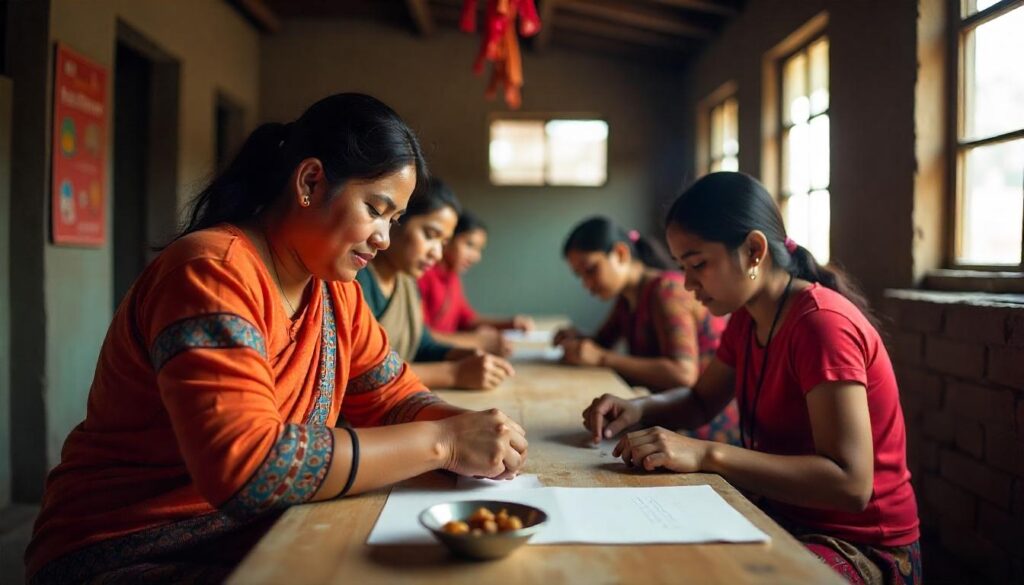
Community learning centers in Kathmandu, Pokhara, and other major cities have reported that their elderly participants value the social aspects of classes almost as much as the knowledge gained. These centers have become important community hubs where seniors can:
- Share experiences and wisdom with peers
- Form supportive friendships
- Bridge generational gaps through intergenerational learning programs
- Maintain a sense of belonging within their communities
Balancing Cultural Heritage and Modern Skills
Nepal’s seniors possess invaluable knowledge of traditional practices, languages, and customs that risk being lost in our rapidly modernizing society. Learning programs that encourage the documentation and sharing of this knowledge serve a dual purpose: they validate seniors’ experiences while preserving cultural heritage for future generations.
Simultaneously, acquiring new skills helps seniors navigate contemporary challenges. Technology literacy programs have proven particularly beneficial, enabling older adults to:
- Stay connected with family members living abroad
- Access information and services online
- Participate in telehealth consultations
- Engage with digital entertainment and educational content
At Carepii Nepal’s learning centers, we emphasize both cultural preservation and modern skill development, creating a balanced approach that honors the past while embracing the future.
Physical Health and Mental Wellbeing Benefits
Learning activities often incorporate physical movement, from the fine motor skills involved in craft projects to the gentle exercise of garden-based learning programs. These activities provide important physical benefits while being accessible to seniors with various mobility levels.
Moreover, the sense of achievement that comes from mastering new skills positively impacts mental health, reducing symptoms of depression and anxiety that can otherwise lead to deteriorating physical health. Studies from the Nepal Health Research Council indicate that seniors engaged in regular learning activities reported:
- Better sleep quality
- Reduced stress levels
- Fewer complaints of chronic pain
- Greater overall satisfaction with health status
How to Start Lifelong Learning in Nepal
If you’re a senior interested in exploring new learning opportunities or a family member seeking resources for elderly loved ones, Nepal offers a growing number of options:
- Community Learning Centers: Many municipalities now operate learning centers with programs specifically designed for seniors. In Kathmandu Valley alone, over 25 centers offer dedicated slots for elderly learners.
- University Extension Programs: Tribhuvan University and several private institutions have developed continuing education classes welcoming senior participants.
- Intergenerational Programs: Schools increasingly invite senior community members to share traditional knowledge while learning modern skills from younger generations.
- Digital Resources: For those with internet access, websites like NepalLearn and SeniorSkills offer free courses specifically designed for older learners.
- Carepii Nepal Centers: Our facilities throughout Nepal provide structured learning programs covering technology, arts, languages, and health education specifically tailored to seniors’ interests and needs.
Conclusion: Lifelong Learning Supports Dignified Aging
Lifelong learning offers Nepal’s seniors far more than just knowledge acquisition—it provides purpose, connection, health benefits, and a continued sense of dignity and contribution. As our society navigates changing demographics and family structures, creating accessible learning opportunities for seniors becomes increasingly important.